
International Women’s Day is a moment to celebrate women’s achievements, but it is also an opportunity to look deeper at what truly shifts systems. Investing in women is not a symbolic gesture or a corporate add‑on. It is an economic strategy with measurable, generational impact. Research shows that women reinvest up to 90%of their income into their families and communities. When women earn, households stabilise, children stay in school, health outcomes improve, and local enterprises grow. These are not isolated benefits; they are the building blocks of systems change.
This article explores how that change unfolds across different contexts and how the women we support are reshaping markets, leadership pipelines, and community resilience.
In Rwanda, the Ngororero Abahuzamugambi Women’s Cooperative unites women coffee farmers who have organised themselves not only to produce high-quality coffee but also to take control of governance, pricing, and access to international markets.
This isn't just about boosting yield or income; it's about rebalancing power within the value chain. By pooling resources and strengthening collective bargaining power, these women are moving from invisible labour to visible leadership. Income flows differently. Decision-making changes. Confidence grows. Younger women see new possibilities.

Caroline Wylie, our COO and CFO at the Challenges Group, tells us, “I have had the privilege of meeting and working with several remarkable women from across Africa who are part of the Mastercard Foundation Scholars Program, including scholars studying at the University of Edinburgh.
Women in this program do more than earn degrees; they develop expertise, networks, and confidence to tackle global issues such as climate resilience, digital innovation, entrepreneurship, and inclusive development in their home countries. Each conversation reveals their deep commitment to reinvesting in their communities, launching new ventures, and mentoring others. The scholar ship model is impactful because it not only provides access to education but also nurtures leadership networks. This creates a multiplying effect, amplifying their impact.”
Investing in women enhances households, markets, and institutions while benefiting future generations. The Rwandan coffee cooperative exemplifies how economic agency can reshape value chains. The Mastercard Foundation Scholars show how education drives long-term leadership and enterprise. The 90% reinvestment statistic highlights that the benefits go well beyond individual income. Women are not just passive recipients of economic systems; they are key architects. This International Women’s Day, we encourage the transition from celebration to purposeful action. Develop gender-responsive investment strategies. Create education pathways that foster women leaders. Establish governance structures that mirror the societies they serve. When we invest in women, we build more inclusive, resilient systems prepared for the future—answers to the global challenges our world demands.

The Gender in Emergencies (GiE) Group, supported by our Scottish Government-funded programme, The Ventures Lab, is a women-led social enterprise founded in 2023 to make gender equality expertise more accessible in humanitarian settings. Led by CEO Isadora Quay, the team provides affordable training, rapid gender analysis, and technical support, reinvesting profits into initiatives that protect women and girls during crises. GiE has trained 903 people, supported 16 women’s rights organisations, and partnered with over 100 organisations across 73 countries. Their tools — including Rapid Gender Analysis, the CARE Gender Marker, the Fatima Light App, and Women Lead in Emergencies — are used globally to enhance humanitarian responses. Through training over 1,000 practitioners, they have demonstrated the vital importance of gender expertise, especially as funding cuts increase risks for women in crisis zones.
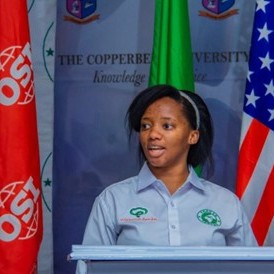
Wastemat Zambia Limited, founded in 2019 by Mwinji Nakamba, improves menstrual hygiene while reducing environmental waste. The enterprise began with reusable pads made from recycled materials and gained early traction after selling 1,000 products at a single event. Its flagship Vive Health Pad is affordable, eco-friendly, and helps girls stay in school while creating local jobs. With support from Challenges Zambia and the Standard Chartered Foundation’s RISE/E Programme, Wastemat has strengthened its financial systems, HR processes, and customer relations to scale sustainably. Nakamba continues to balance community impact with business growth and is now seeking investment to expand. Her message to other women entrepreneurs remains simple: “Never be afraid to start. Start from wherever you are.”
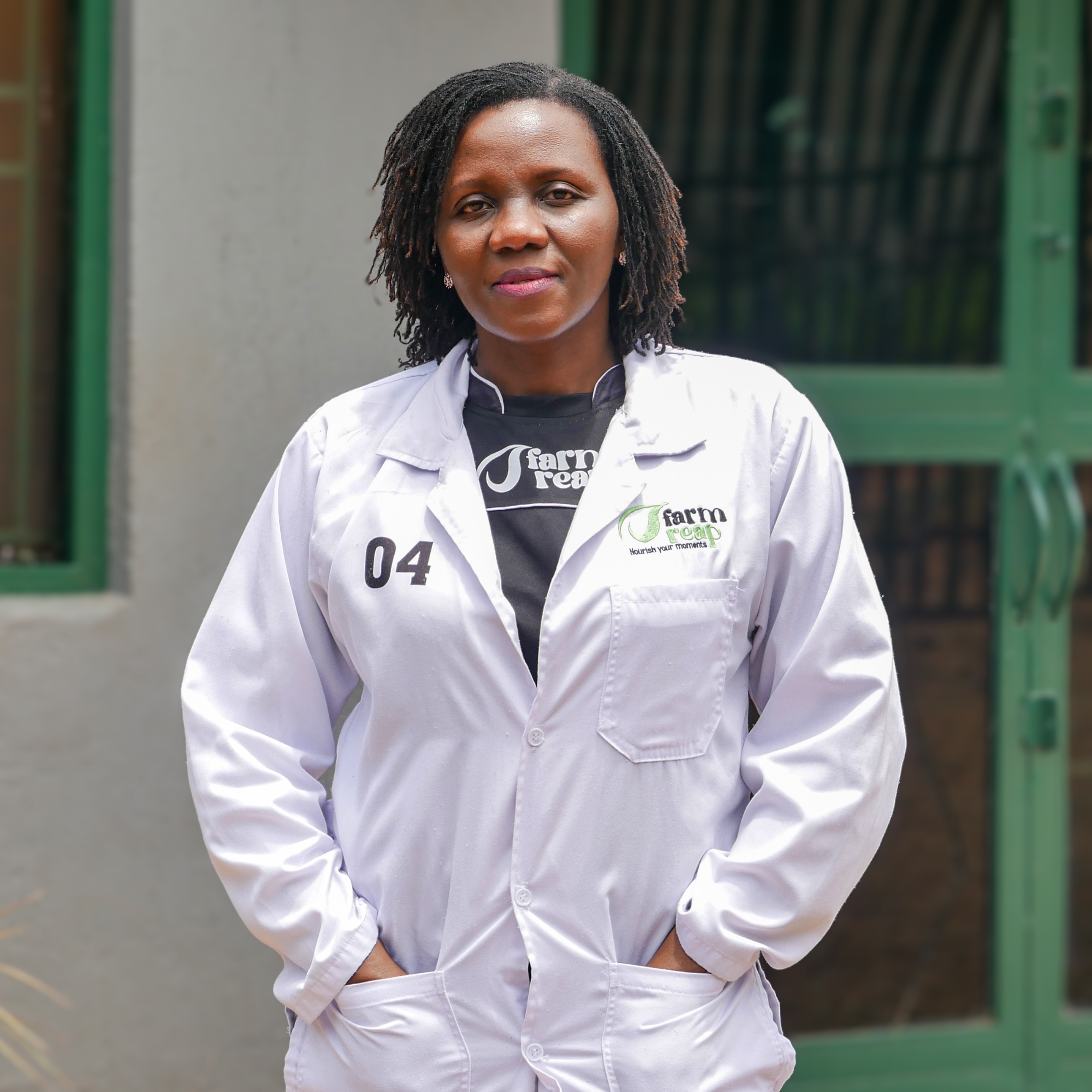
When Sylvia Natkunda founded Farm Reap, her goal was to bring nutritious, locally produced yoghurt to more households while strengthening income opportunities for small dairy suppliers. As demand grew across Kampala, Wakiso, and Mukono, the business needed stronger systems to scale sustainably. Through support from Challenges Uganda, Sylvia refined her marketing and distribution strategy, improved cold‑chain management, and strengthened financial planning. A key turning point came during COVID‑19, when Farm Reap shifted to direct‑to‑consumer sales through Instagram and WhatsApp, stabilising cash flow and expanding reach. Today, the business produces 500 litres per day, employs a growing team, and has secured over 50,000 USD through advisory support and linkages.
“We wanted Challenges Uganda’s support to review our marketing and distribution strategy and then recommend some key strategies that we could adopt. They did an analysis, went to some of our markets, spoke to some of our clients and came up with a deep understanding of who our clients were. So they ended up preparing a report with key recommendations.” – Sylvia Natkunda, CEO and Founder of Farm Reap

Inspired by her upbringing in a farming community, Yvonne Nuoriyee founded Edible Treats to promote sustainable cocoa production and expand economic opportunities for women. Before joining the RISE/E Programme, she faced challenges with record-keeping, branding, and accessing expert support. Through coaching and mentorship from Challenges Ghana and the Standard Chartered Foundation, she strengthened her financial literacy, clarified her growth strategy, and improved her brand and pitch. Edible Treats has since increased revenue, expanded its market reach, and attracted new partnerships. Nuoriyee plans to diversify her product range and enter new markets, encouraging other women entrepreneurs to “persevere, seek mentorship, and embrace every opportunity for growth.”
International Women’s Day serves as a powerful reminder that true progress is fuelled not just by celebration, but by unwavering, intentional investment. The women highlighted here embody what happens when such dedication is sustained: transformative changes in value chains, the emergence of diverse leadership pathways, and strengthened community resilience. Their stories illustrate that giving—whether through resources, opportunities, visibility, or expertise—creates ripples of positive change that extend far beyond any single program or organisation.
Let us all commit to embracing this mindset as a daily practice, not just an annual occasion. Organisations have the opportunity to embed gender-responsive investment into their core strategies, open new pathways for women leaders, and partner with initiatives that advance equality throughout the year. When giving becomes a consistent habit, the impact grows into a lasting, systemic force that benefits everyone.


